Let’s be honest, most people don’t love conflict. OK, I know some of you might beg to differ and know someone who seems to love a good conflict.
Even the word can make people squirm. But what if we changed the way we talked about it?
One of my favourite definitions of conflict is this:
“A difference of opinion with strong emotions attached.”
That’s it. No drama. No villain. Just emotion and difference—two things we all bring to the table. Easier said than done, I get it.
In my workshops, I’ve found that metaphors can be a powerful way to explore this. And nothing gets a room talking (or giggling) like my conflict animal kit.
Each animal in the kit may have a variety of responses to conflict. Then when we overlay CliftonStrengths®, the connections become even richer. These metaphors help people talk about difficult topics with a bit of distance, a bit of humour, and a surprising amount of insight.
So let’s meet a few of the creatures that people typically pick up and the CliftonStrengths I hear them connect for themselves.
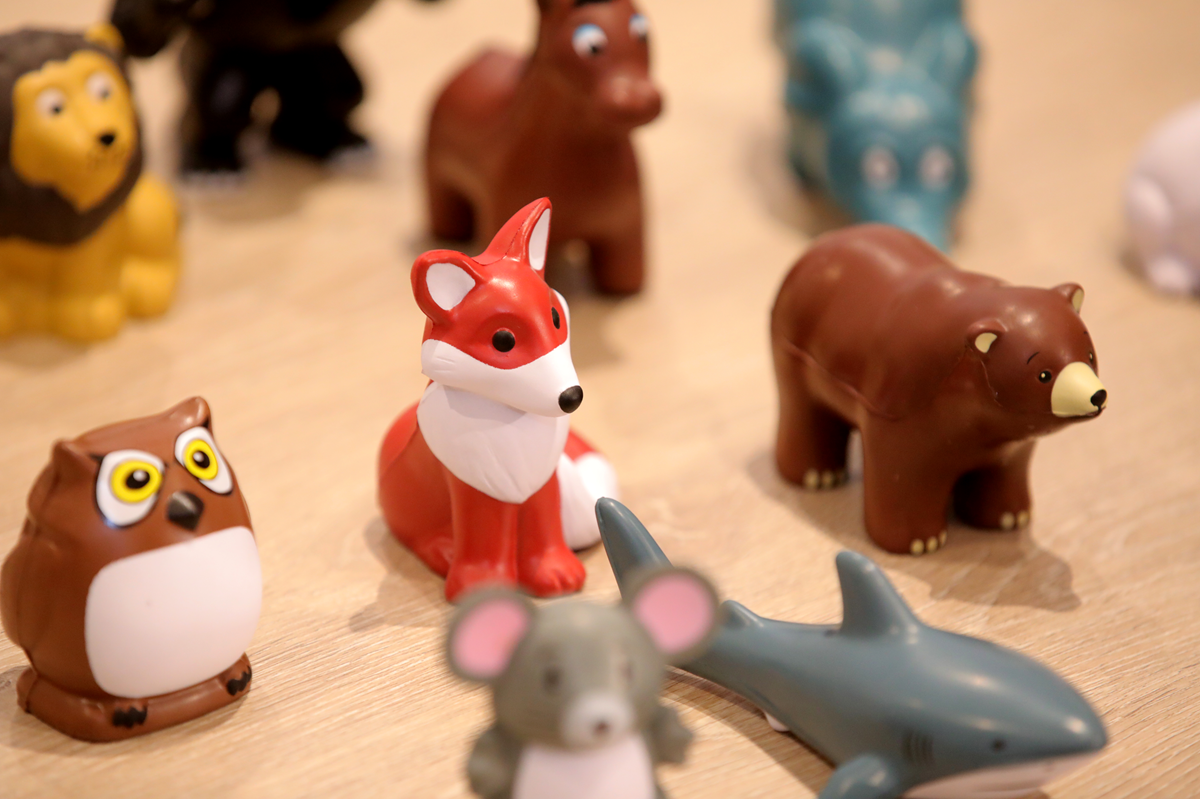
The Bear
The Bear isn’t afraid to face conflict head-on. They’ll tell you what they think, stand their ground, and expect others to do the same. People with Command or Self-Assurance high (like me) might show up this way. They bring clarity and decisiveness to the table but sometimes, they might roar before thinking.
That same Bear, when paired with Empathy or Developer, could become less grizzly and more grounded. They still hold space for difficult conversations, but they do it with heart.
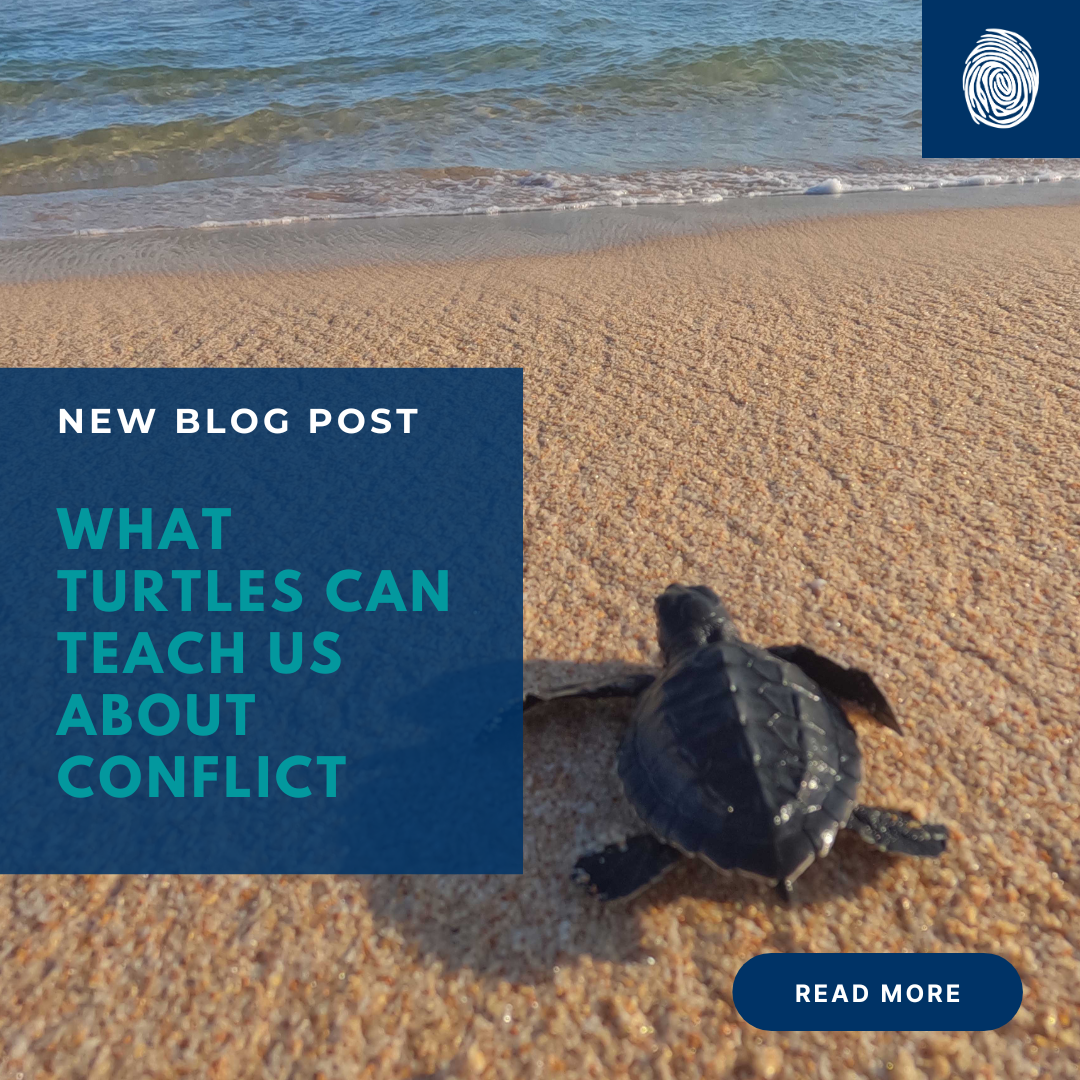
The Turtle
Ah, the classic avoider. The Turtle retreats into their shell when things get tense. It’s not that they don’t care—it’s quite the opposite. Turtles (might be Harmony, Deliberative, or Consistency) want things to feel safe, calm and fair. Conflict feels risky.
But when they do surface, they often bring thoughtful, balanced insights. They’ve been watching, reflecting, and connecting the dots. They just needed space to process. And maybe a little coaxing out of the shell.
The Owl
Wise, calm, and a bit mysterious. Owls are the ones who sit back, observe and then drop that one question that changes the whole conversation. People with Intellection, Connectedness or Strategic might relate here.
Owls aren’t rushing in with quick fixes, they’re busy seeing all the angles. They’re brilliant at helping a team pause and ask: “What’s really going on here?”
The Rabbit
Quick, alert, and often the first to sense when something’s off. The Rabbit may dart away from conflict, hoping to avoid the noise altogether. Rabbits often pick up on the emotional undercurrent before anyone else. They just might not always know what to do with it. When supported, they can be fantastic at restoring harmony—just not always in the spotlight.
Which talent themes are you noticing here?
The Lion
The Lion leads from the front. Bold, decisive, and often impatient for resolution. They don’t want to talk about it next week—they want to sort it now. If you have Activator, Competition or Command, you may recognise that drive.
But the Lion’s roar can be overwhelming for the more sensitive animals in the room. Pair that same Lion with Relator or Individualisation, and you get a leader who’s bold and compassionate, someone who knows when to charge, and when to listen.
So why animals?
Typically if you asked me what animal I am in a workshop, I would think this naff or tacky but since using this bag of creatures in workshops, I notice that talking about a Bear or a Rabbit is far easier than saying “I struggle with confrontation” or “I come on too strong.” Metaphors soften the edges. They give people permission to reflect without feeling exposed.
And when we bring CliftonStrengths into the mix, the insights multiply. We can explore:
- How does your natural talent shape your conflict response?
- Are you using that strength effectively—or might it be over or under played?
- What strengths do you need to borrow from others to navigate this well?
Conflict isn’t the problem. Unspoken conflict is.
Which creatures did you identify with and how do your talents and strengths show up in conflict?