I’ve always loved simple, practical models — the kind you can remember easily, explain without days of training or a PHD, the ones you can use straight away in real conversations.
About five years ago, I came across one that keeps showing up in my coaching and leadership work: David Rock’s SCARF model.
It’s become a favourite because it explains something we all wonder: Why do people react the way they do? Why does one person shut down in a meeting, while another lights up? Why does feedback feel like a personal attack to some, but a growth opportunity to others?
What the Science Says
Rock’s original paper describes how our brains treat social threats and rewards much like physical ones. In fact, neuroscience shows that:
-
A status threat (like being dismissed in a meeting) activates the same brain networks as a threat to your life.
-
An increase in fairness lights up the same reward circuitry as receiving money.
-
These reactions explain why people can’t “just get over it” — our brains are wired to minimise threat and maximise reward.
Put simply: SCARF helps us understand the hidden triggers behind human behaviour.
The Five Elements of SCARF
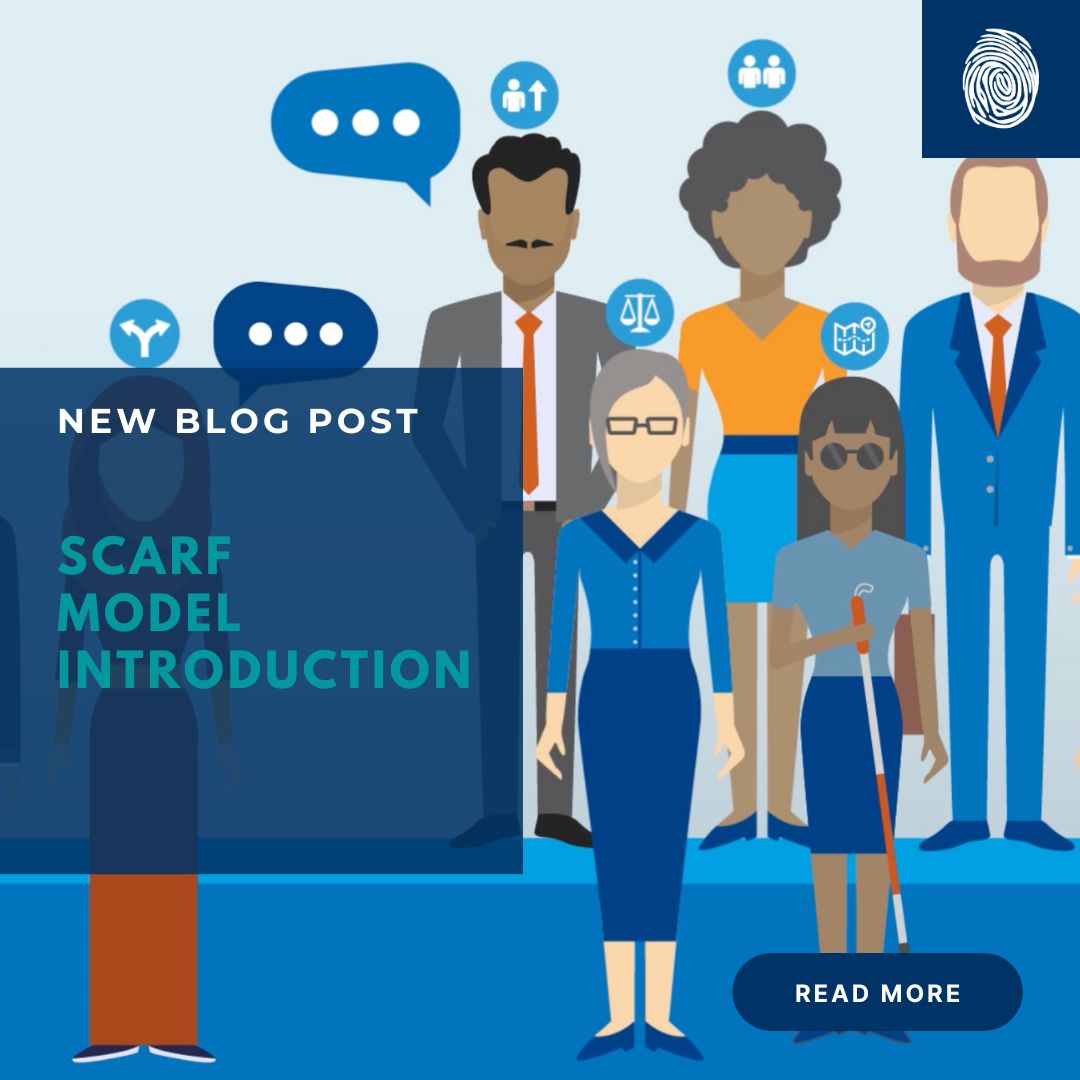
SCARF is an acronym for the five areas that most influence how we respond socially:
Status – our sense of importance to others
Certainty – our need for clarity and predictability
Autonomy – our sense of control and choice
Relatedness – our feeling of belonging and trust
Fairness – our need for equity and justice
When any of these are threatened, our brain moves into defence mode. When they’re rewarded, we relax, engage, and connect.
Why I Use It
What I love about SCARF is its versatility. You’ll see it in:
Collaboration: noticing why team dynamics feel smooth or strained
Communication: tuning messages so people feel safe and included
Engagement: understanding what really motivates people beyond pay and perks
Navigating Change: helping your team deal with the pace of change
And when I combine SCARF with CliftonStrengths, it gets even more powerful.
Here’s of how some of my own top talents show up:
Status: With Significance, I care deeply that my contributions matter. When they’re recognised, I feel motivated; when overlooked, it can trigger frustration.
Certainty: My Activator doesn’t like waiting around. If next steps are unclear, I can feel unsettled, but when the plan is clear, I’m energised and ready to move.
Autonomy: With Command, I thrive when I can speak up and make decisions. Being micromanaged or overruled feels threatening; being trusted feels empowering.
Relatedness: My Woo loves connecting with people. Exclusion or silence in a group feels uncomfortable; being able to build rapport and belong is hugely rewarding.
Fairness: My Responsibility notices fairness around commitments if they aren’t shared or accountability is uneven, it feels wrong. When everyone follows through and ownership is honoured, I feel safe and motivated to deliver.
Seeing SCARF through the lens of strengths helps me understand not only my own triggers, but also how to spot and support those of others.
Next Steps
If you’re curious, you can take the SCARF self-assessment through the NeuroLeadership Institute.
You can also read David Rock’s original paper here: SCARF: A Brain-Based Model for Collaborating with and Influencing Others.
Over the next few weeks, I’ll dive into each element of SCARF with real-life stories and practical tools. First up: Status — how our need to feel valued shows up at work, and how each of the 34 CliftonStrengths responds when it’s threatened or rewarded.
Keep an eye out for your free Status + Strengths Guide.